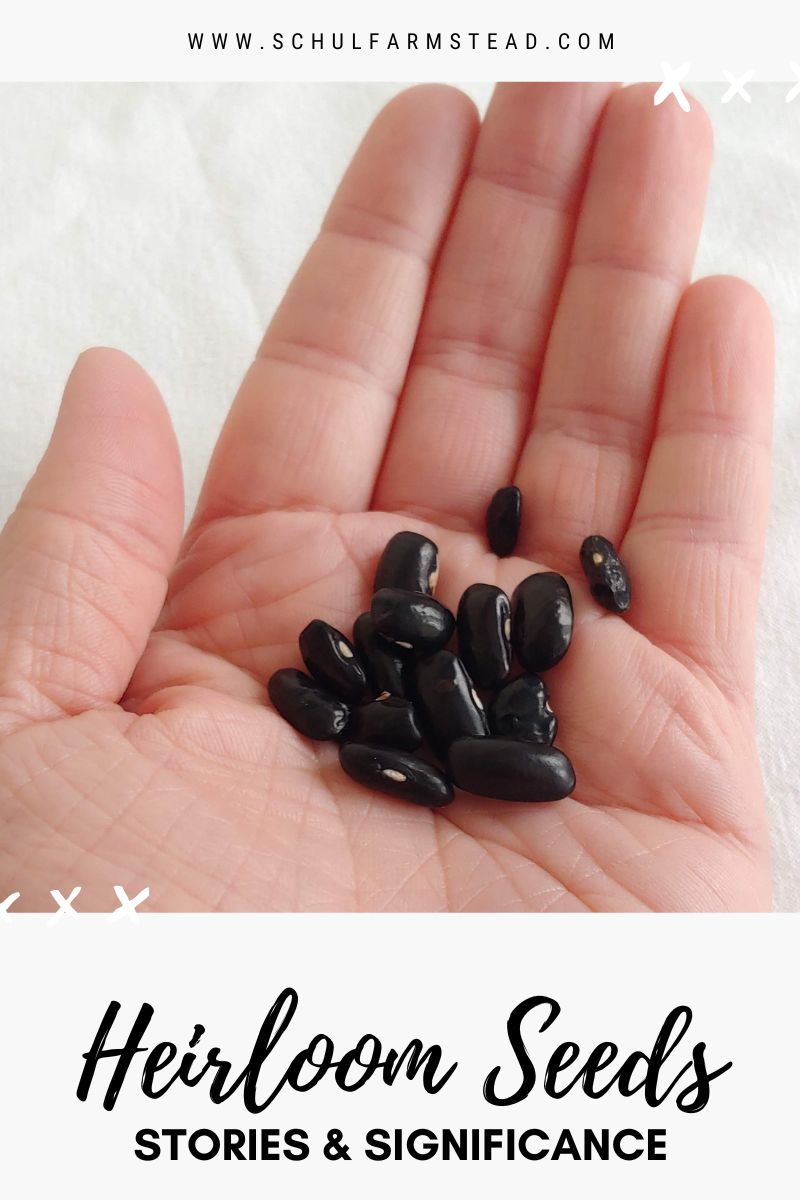
The seeds you buy, the stories they hold, the people they support, matter.
Have you ever stopped to consider how the seeds in your garden got to you?
Have you ever stopped to think about how many years it must have taken to develop the sweet cherry tomato that you love to devour in the summertime?
Heirloom seeds not only hold our world’s stories, but they also play a significant role in making the world’s food supply resilient.
>>> Related: Schul Farmstead’s Seedling Sale
What is an Heirloom Seed?
Heirloom seeds are a special kind of open-pollinated seeds.
While all heirloom seeds are open-pollinated, not all open-pollenated seeds are heirlooms.
The term open-pollinated describes the way in which seed is produced in a vegetable, herb, flower, or fruit. This can be through wind, birds, insects, or even humans.
An heirloom seed refers to a variety that is a minimum of 50 years old.
Heirloom seeds have been bred within a family, community, or region for generations.
The significance of heirloom seeds extends beyond their age.
They hold a piece of history and culture within each tiny casing.
Hybrid seeds, often labeled as F1 on the seed packet or seedling tag, can certainly be grown.
However, the seeds from these varieties will not give you the same type of vegetable you had in the previous year. They are not true to type seeds.
For instance, if you save the seeds of a hybrid cherry red tomato, next year when you plant those seeds you might end up with a yellow tomato or a grape-shaped tomato.
Why Grow Heirloom Varieties?
There are many reasons why I choose to grow heirloom varieties in my farm.
Superior Taste
Heirloom seeds were bred for their flavor, not for their ability to travel across the country to the grocery store shelf.
The taste of a vegetable or fruit grown from an heirloom seed is often richer and more complex compared to its hybrid counterpart.
Resilience
Heirloom seeds have seen it all – wet seasons, dry seasons.
They’ve experienced and persevered through disease and pests.
Since heirlooms have been passed down from generation to generation, they’ve become adapted to specific places and climates.
They’ve evolved natural defenses (or at the very least a tolerance) to certain diseases, pests, and weather patterns.
History
Heirloom seeds tell the story of the people that grew them and the place that they farmed.
Keeping these seeds alive maintains a connection to cultural roots, ancestral ways, and the earth.
Independence
Because heirlooms can be saved from year to year, growers don’t have to rely on big companies to supply seeds for their gardens each year.
While I only save a few types of seeds each year (mainly calendula, zinnia, and marigolds), all heirloom seeds have the ability to be saved and reseeded year after year.
Unique Heirlooms for Western New York Gardeners
If you’re in Western New York and looking to try your hand at growing heirlooms, here are some unique varieties you might want to consider:
- Banana Melon
- New York Early Onion
- New York Improved Eggplant
- Aunt Molly’s Ground Cherry
- Long Island Improved Brussel Sprouts
- Scarlet Emperor Runner Bean
- Scarlet Nantes Carrot
>>> Related: My Journey to Farming
Heirloom Seed Company Recommendations
If you’re interested in trying out heirloom seeds, here are some companies that I highly recommend:
- Hudson Valley Seeds (Accord, NY)
- Fruition Seeds (Naples, NY)
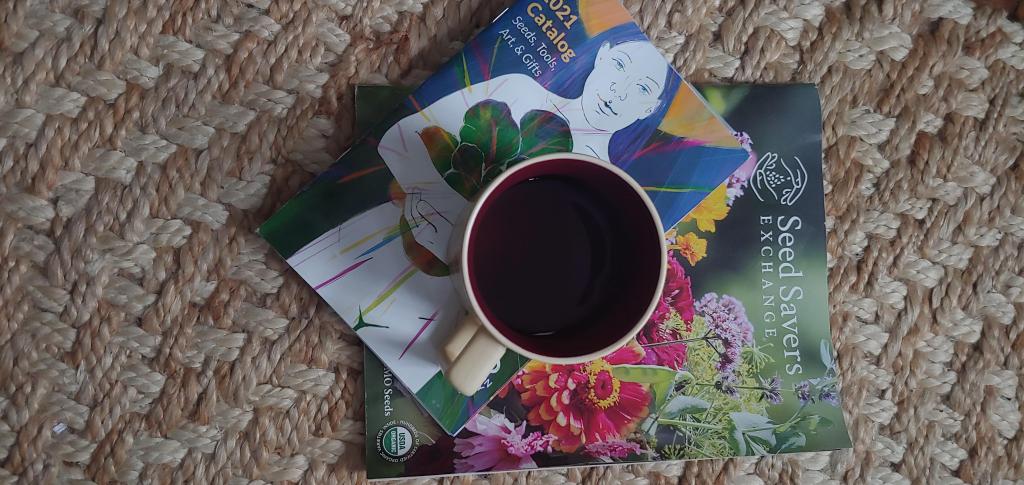
- Seed Savers Exchange
- Southern Exposure Seed Exchange
- Sistah Seeds
- True Love Seeds
- Ujamaa Farms
- Revival Seed Company
- Experimental Farm Network
- Seeds from Italy
- Strictly Medicinal Seeds
- Alliance of Native Seed Keepers
Heirloom Seed Stories
Below are some snippets of stories of heirloom seed varieties that I grow on my farm.
And yes, I have chosen some to grow some of these varieties, simply because of their story.
- Aunt Molly’s Ground Cherry – This beloved variety takes its name from an ice cream stand, named not for a dear aunt, but for a cherished pet dog of the owners of Territorial Seed.
- Eva Purple Ball Tomato – Brought from the Black Forest area of Germany in the late 1800s by the family of Joseph J. Bratka of Elmwood Park, New Jersey.
- Stupice Tomato – One of four tomato varieties sent to the U.S. from the former Czechoslovakia by Milan Sodomka. It was bred by a famous tomato breeder and named after the nearby town of Stupice, near Prague.
- Amish Paste Tomato – It was acquired from the Amish near Lancaster, Pennsylvania but originally came from Wisconsin in the 1870s. And it’s one of Slow Food USAs Ark of Taste varieties.
- Red Russian Kale – One of the hardiest and most tender-leaved of all kales, this variety is originally from Siberia and was brought to Canada by Russian traders around 1885.
- Ailsa Craig Onion – David Murray, gardener for the Marquis of Ailsa, introduced this stunner in 1887 at Culzean Castle in Scotland.
- Thelma Sanders Squash – Originally from Thelma Sanders of Kirksville, Missouri. The seed was passed from Evert Pettit to Sue and Tom Knoche, Ohio squash collectors. (I always plant this one in honor and memory of my grandmother Thelma)
Further Reading on Heirloom Seeds
- The Seed Garden
- The Seed Detective
- Sowing Seeds in the Desert
- The Seed Underground
- Gathering
- Breed Your Own Vegetable Varieties
- What We Sow
Embrace the art of gardening with heirloom seeds, and join us in keeping these pieces of living history alive!
 Schul Farmstead
3 thoughts on “Heirloom Seeds: Stories & Significance”