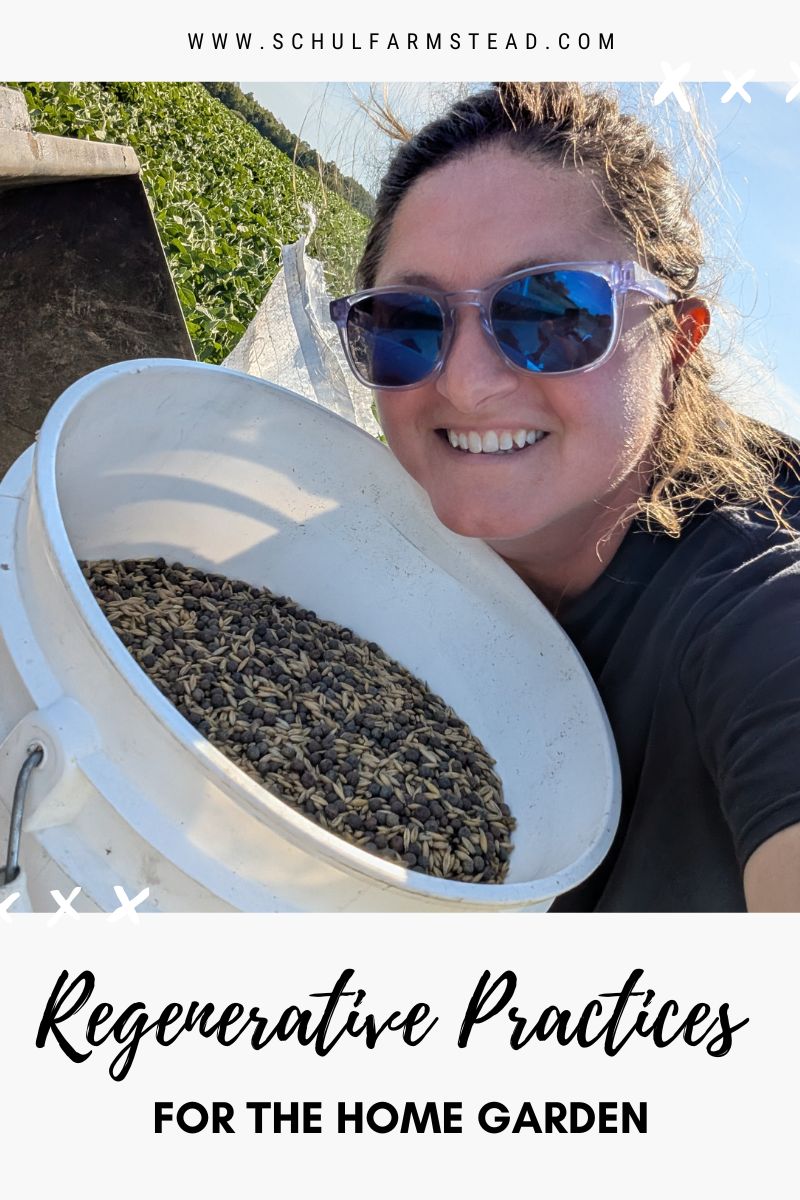
Last week I was invited to present to the Ransomville Garden Club to talk about regenerative farming practices. As I prepared my notes, I realized what I wanted to share was how regenerative farming practices can be scaled to the home garden & backyard.
I had many comments & questions when I posted about the event on social media, so I figured I’d share the information in a blog post for anyone who wasn’t able to make it.
What is Regenerative Agriculture?
Regenerative agriculture is a collection of practices in farming and ranching that’s rooted in soil health, biodiversity, and ecosystem resiliency.
It’s a continuous implementation of these practices over time, rather than fast-tracking and making all changes in one season on the farm or ranch.
Over time, the practices (which I’ll outline below) improve crop/livestock productivity, while minimizing inputs and environmental impacts.
Focused on sustainability, regenerative agriculture practices integrate traditions from Indigenous peoples around the world with modern farming and soil science.
Why is Regenerative Agriculture Important?
Or rather why does it exist as a movement within the agricultural world?
Since the Industrial Revolution, Western societies have degraded & depleted our soils at alarming rates with yearly, mechanical tillage for crops & poor grazing management of livestock.
Doing so has reduced the organic matter in the soil.
To have good soil health, there must be organic matter, plant & animal tissue that is breaking down, in the soil.
Soil high in organic matter are better at:
- reducing erosion from wind & rain
- increasing water infiltration & retention
- increasing vitamin & mineral uptake in crops
- resisting crop diseases & pests
- increasing crop yields with less inputs, such as fertilizer
Regenerative Practices for the Home Garden
Before I break it down into the 9 practices, let me just say it again – Regenerative practices are all about building good soil health.
All of these practices help to drive your garden to meet that goal.
No-Till
Tillage breaks up the soil, disturbs organic matter, & exposes it to oxygen. Once it oxidizes, the carbon & oxygen form CO2, which then enters the atmosphere as a gas accelerating climate change.
Within the soil, carbon is lost, as is organic matter. The microbial life within the soil is disturbed and overtime, after year after year of tillage, it makes it harder for plants & crops to thrive in the soil without significant human inputs, such as fertilizer.
To limit the loss of microbial life & carbon within the soil, adopting a no-till practice within the garden is needed.
You need not rototill your garden space or beds each season before planting.
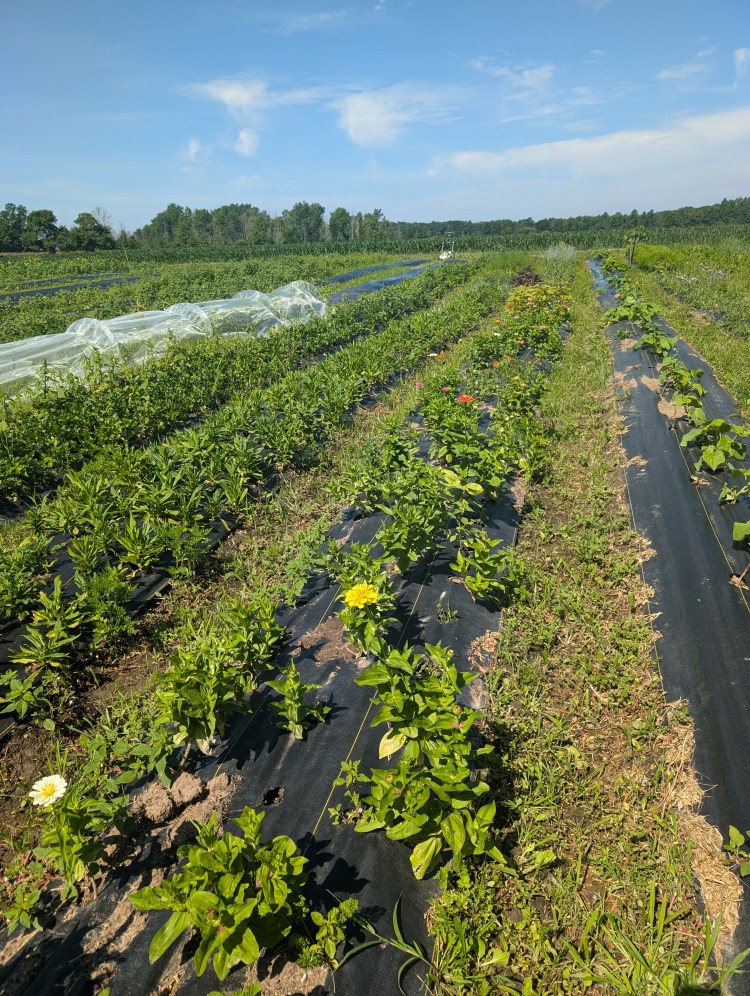
Instead, adopting a bed system, where you have permanent “beds” where crops are grown and permanent “pathways” where you walk between beds, allows you to have a dedicated space in your garden for plants & foot traffic.
If your beds do not become compacted during the season from continued foot traffic, then there is less and less need for complete tillage each season before planting begins.
To aerate, or allow air & water to penetrate the surface of the soil, you can use a broadfork or potato fork on the soil each spring and break up the first 1-2″ of soil with a hoe (or tilther).
Doing so allows you to have that fluffier soil that lends itself to easier planting, without the damage the yearly rototill does to the soil’s health.
Compost
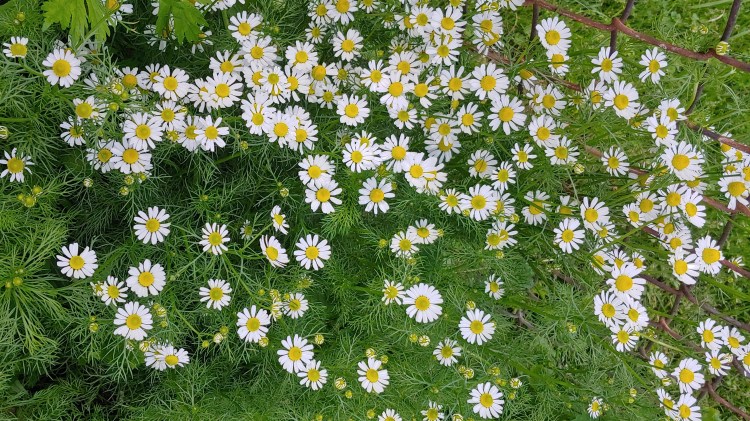
Adding compost each year to your garden beds is another regenerative practice.
Compost helps to feed the soil’s microbiome, which in turns grows healthier crops. Healthier crops mean more resistance to pests & diseases during the growing season.
Sourcing a good source of compost is key – ensuring that it is free of herbicide residue, free of disease or pests, and free of biosolids that contain PFAS (forever chemicals).
This is why making your own compost from food & yard waste is one of the better alternatives to purchasing pre-bagged compost from the garden center.
In Western New York, you can make your own compost in 2 ways:
- purchasing or making a backyard composting system (check out the Erie County/Niagara County Composter Sale)
- join a neighborhood drop off composting location through Farmer Pirates Compost
To integrate this regenerative practice into your garden you can:
- cover your beds with 1″ layer of compost before planting
- make and add a compost tea to help fertilize your garden
- compost organic matter (crops, crop residue, weeds, spray-free grass, leaves, kitchen waste, etc.)
- leave plant roots in ground over winter/as much as possible
Crop Rotation
Crop rotation is important to help keep plants & soils healthy.
When you grow the same crops in the same location each year, they tend to become more susceptible to pests & disease.
They also deplete the soil of the nutrients they use the most of.
For example: if you plant kale, broccoli, cauliflower, or arugula in the same spot in your garden, year after year, you’ll end up with a garden that lacks nitrogen, since that is one of the nutrients that the brassica family LOOOOVE. Instead if one you plant kale in that spot, the following year you should plant tomatoes, followed by chard or beets, etc.
You can rotate crops along families of crops or to avoid diseases.
For example: both zinnia & cucumbers are susceptible to powdery mildew due to hot, humid Western New York summers. If you plant zinnias in a bed in 2026, then you should wait at least 4 seasons before you plant cucumbers in the same spot. Avoiding this will help reduce the disease pressure in the soil.
For more information on crop rotation, use this resource.
Cover Cropping
In nature, the soil is rarely bare. Think about the leaf-covered floor of the woods or the plant-covered meadow.
Soil is a living organism, a home for many other microscopic and macroscopic organisms. These organisms need a food source and protection to survive, and with bare soil, this is not viable.
When the soil is bare, larger organisms that eat tiny microbes don’t have anything to eat and starve.
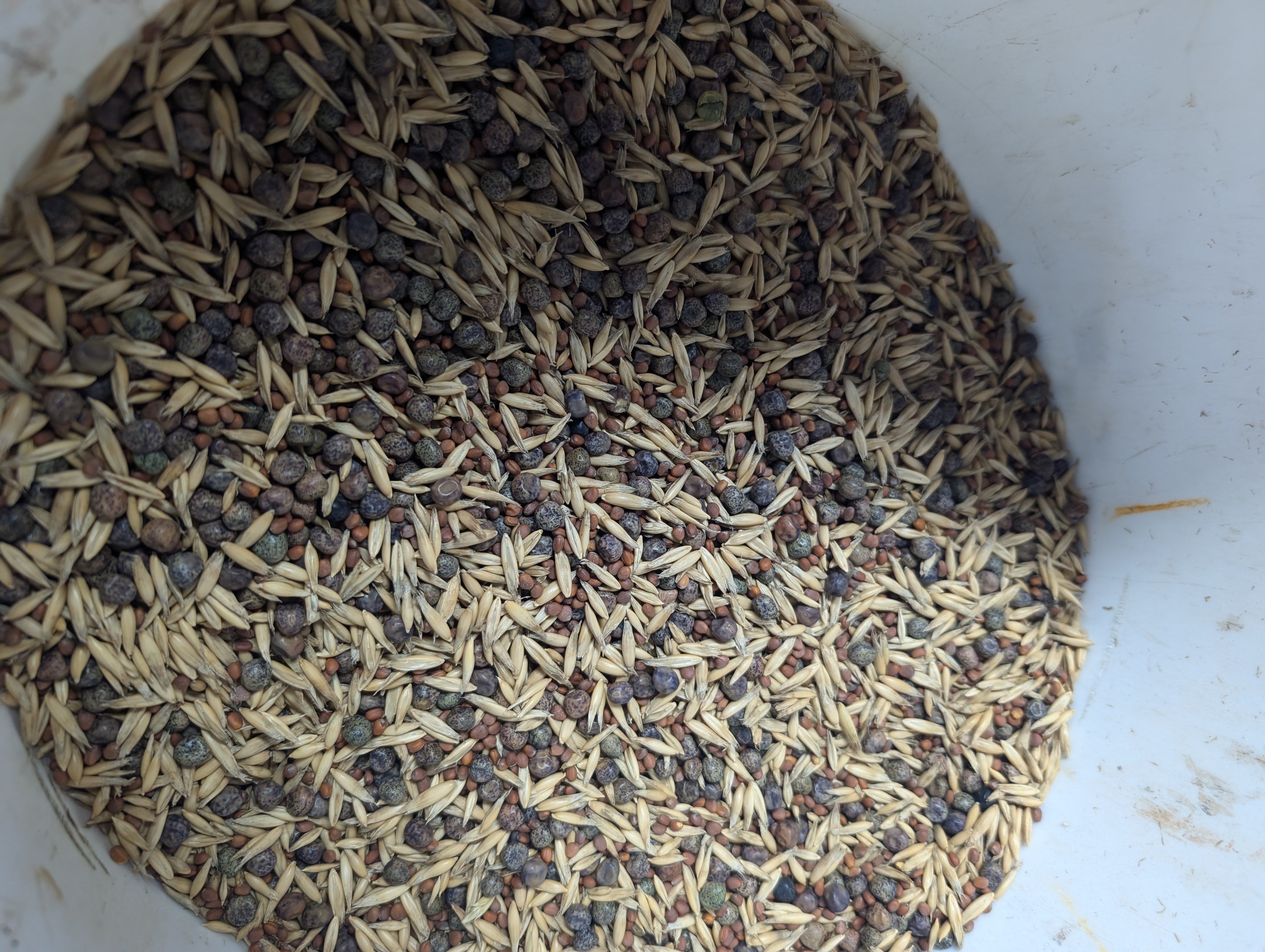
Cover cropping is the farmer’s way of mimicking nature when heading to a non-growing season (for Western New York that would be winter).
Cover crops feeds the soil microbial life and provide nutrients like nitrogen.
The living roots in the soil to help with limiting erosion, especially important in winter or early spring before the growing season begins.
Planting cover crops isn’t something that only happens on farms.
Home gardeners can plant cover crops or mimic their purpose by:
- planting cover crops in fall (by mid-September)
- planting cover crops in the “understory” of taller crops like tomatoes, peppers, etc.
- mulching with leaves, straw, or grass clippings for winter soil coverage
Use the cover cropping guide as a resource & shop for cover crops seeds in small quantities with Hudson Valley Seed Company.
Biodiversity
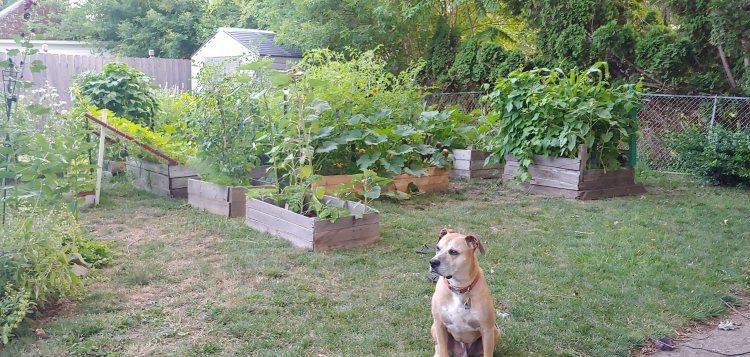
Biodiversity is one of the easiest regenerative practices for home gardeners, in my opinion.
This practice is all about designing and creating a growing space that considers the entire food chain – soil microbes & creatures, insects, birds, reptiles/amphibians, small mammals.
And this isn’t exclusive of your physical garden. It can include your entire back and front yards too.
In fact, the biodiversity of your garden is increased significantly when you encompass your entire yard.
By creating a space that welcomes all creatures in the food chain, the health of your soil will thrive.
Some suggestions for increasing biodiversity in your garden:
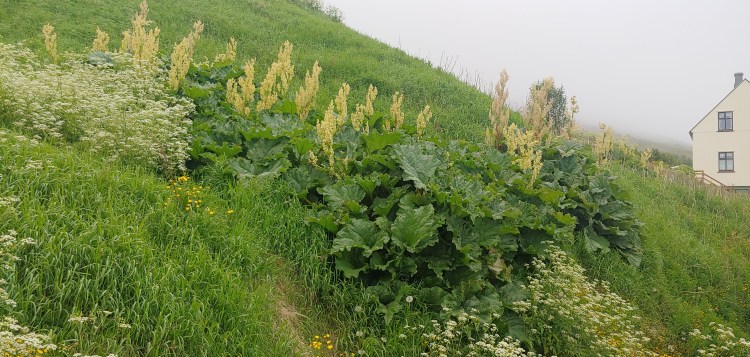
- plant permanent flowers, shrubs, or trees that are native species (instead of non-native species that are often found at the garden center)
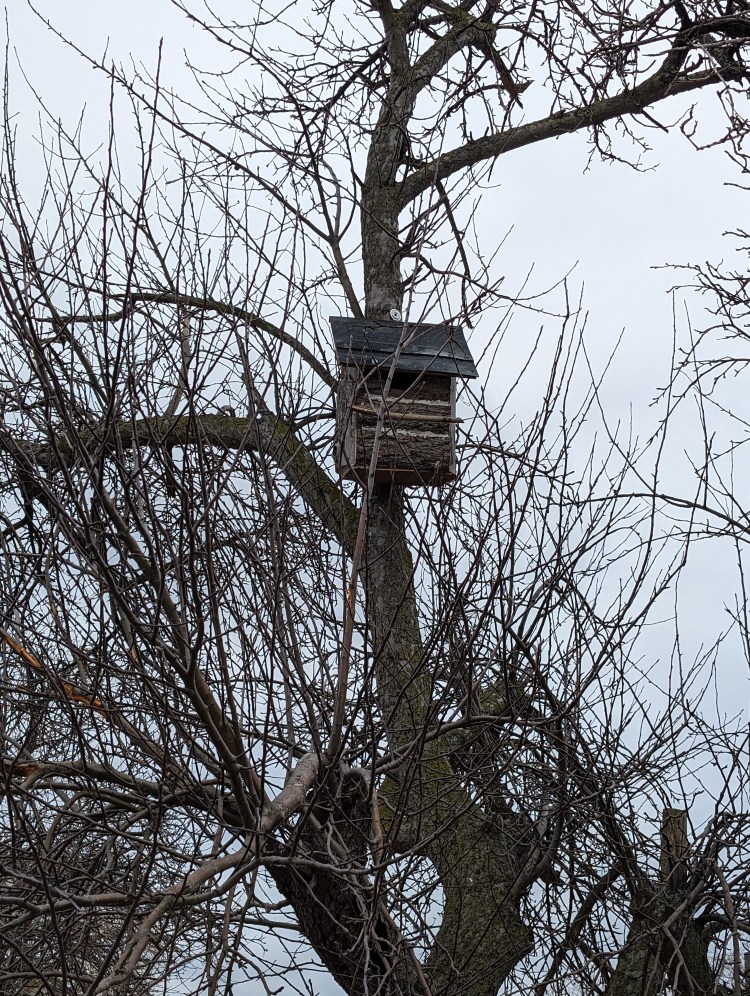
- install owl, bat, butterfly, bird boxes to invite creatures within the food chain to reduce pests and help with pollination
- delay spring clean up until night are consistently in the 50s for hibernating beneficial insects – that means delay cutting down stalks from the previous year’s flowers, raking leaves out of garden beds, and pruning
- planting diverse multi-species crops (planting both annuals & perennials, vegetables, herbs, and flowers)
- plant white dutch clover or bird’s foot trefoil as ground covers vs. grass seed due to their flowers that will feed pollinators and their drought-resistance
- build posts for birds to perch and eat insects, if you don’t have enough (or large enough) trees or shrubs
- include a small water source for insects, birds, reptiles/amphibians, small mammals
To learn what ground covers, flowers, shrubs, and trees are native to Western New York, download the free Native Plant Guide from Buffalo Niagara Waterkeeper.
Reduce Sprays
Did you know if you spray a pesticide to kill mosquitos in your yard, you’ll also kill all the other insects in your yard?
It’s true – pesticides, herbicides, and fungicides, don’t just kill the insect, weed, or fungus that you’re using them for. They kill indiscriminately.
That becomes a problem when working to build healthy soil in your garden.
If you kill all the insects in your yard with that “mosquito spray,” you’ll also be killing pollinating bees, butterflies, praying mantis, earthworms, and more. All things needed for a biodiverse growing space and thriving garden.
If you spray herbicides, not only will you kill the “weed” you’re trying to eliminate, but you’ll also kill the flowers or vegetables that you want to grow in your garden. Most herbicides are a “broad-leaf killer” so they kill any growing plant, regardless.
If you spray fungicides, you won’t just kill the powdery mildew on your zinnias, you’ll also kill the “good” complex fungal life needed to feed microscopic organisms (mycorrhiza), that then feed the earthworms, that then create a healthy soil.
Instead:
- don’t spray on your garden plants, even with “organic” sprays like neem oil or DE
- don’t use “mosquito spray” services
- refer to recommended spacing, crop rotation to keep soil healthy
- use insect netting or floating row cover to protect sensitive plants (like kale, cucumbers, or winter squash)
Livestock Rotational Grazing
The last few practices in the regenerative garden might be more challenging to implement due to their inclusion of animals and larger trees into the growing space.
I wanted to include them in case you have a larger backyard and to just iterate that you don’t have to use every practice in order to have a regenerative garden. If something doesn’t fit in your growing space, that’s ok.
Rotational grazing of livestock refers to using fenced feeding spaces where livestock can graze for short durations of time (a few days to 1 week).
Rotating your livestock helps to effectively fertilize the soil, naturally distribute seeds, and break up the soil.
If you kept livestock in one pasture space all season long the grasses and plants in the area would never be able to recover or produce seed to multiple, and would ultimately die out.
Silvopasture
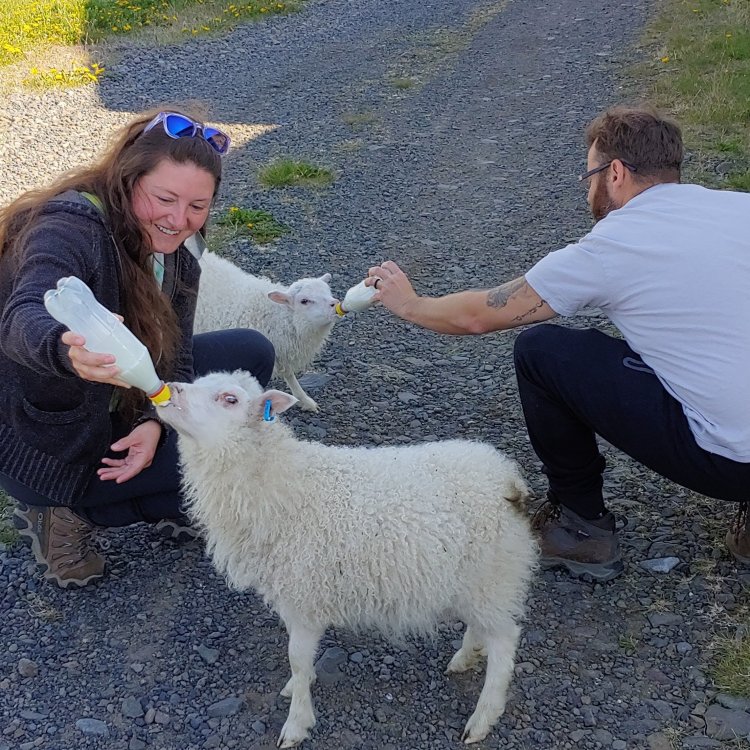
Silvopasture is the practice of integrating grazing livestock and trees (can be fruit tree but doesn’t have to be) into the same operation.
For example, an apple orchard integrated with sheep and chickens that roam underneath the trees.
Both the animals and the trees benefit from each other in a symbiotic relationship.
The trees gain nutrients from the animals’ fertilizer and the animals benefit from shade, windbreak, foliage, and dropping fruit.
If you have a space with multiple trees and chickens or small ruminant animals, this can be a regenerative practice you incorporate in your garden and yard.
Agroforestry
Agroforestry is the mixing of row crops (like corn or squash) with tree crops (fruit or otherwise.
The trees provide a certain amount of shade, windbreak, and habitat to other species (improving biodiversity), and the trees benefit because the crops sustain a level of biodiversity in the soil.
The trees help to support erosion and water loss due to wind and keep the temperature cool, as well as improving the cycling of nutrients in the soil.
In your regenerative garden this practice might look like:
- trees on north or east side of garden space
- a hedgerow with small native bushes & trees
- western side or southern side windbreak of larger trees on larger properties
- integrating fruit trees into landscape/garden, providing habitat space & a tree crop
Last Thoughts
Building a regenerative farm or garden takes a few seasons. It’s important to remember that you don’t have to incorporate every single practice into your regenerative garden in order for your soil to be healthy.
The most important thing to consider is the soil. Notice what it does, what it likes, and how it reacts to weather events.
And if you can include more biodiversity in your garden space, you’ll connect so many of the practices of regenerative gardening together.
If you’re looking for a small list of what to implement this year, these are my suggestions:
- add some perennial plants (like yarrow, bee balm, anise hyssop, echinacea) & invest in biodiversity of your yard
- try cover cropping in the fall
- till as little as possible
- don’t spray anything in your garden or yard
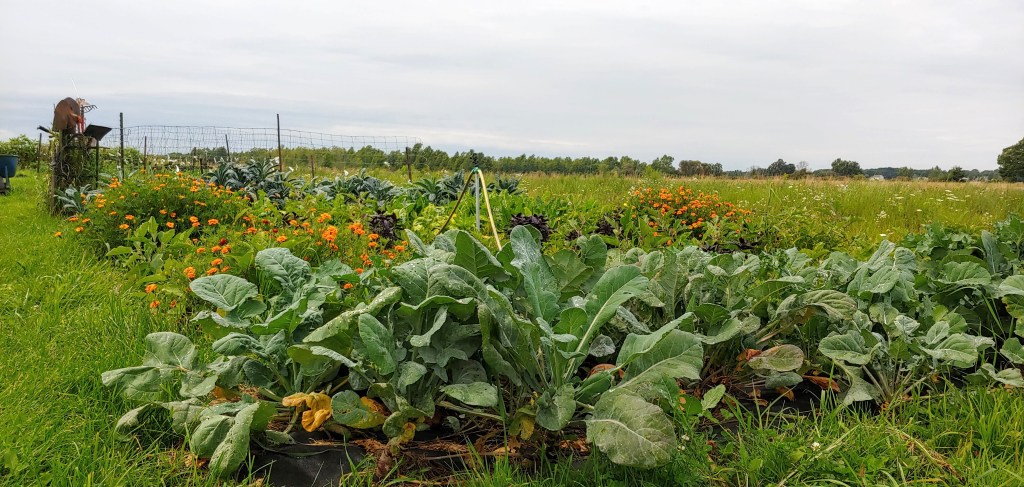
If you need seedlings for your garden this season, be sure to pre-order your garden seedlings with me.
My seedling sale offers vegetable, herb, perennial, and flower plants that are:
- grown in certified OMRI organic seed starting mix
- grown from organic & heirloom seeds
- adapted to thrive in the Western New York region
- grown on my farm by me (not shipped from a supplier like garden centers)
Learn more about my Seedling Sale.
 Schul Farmstead